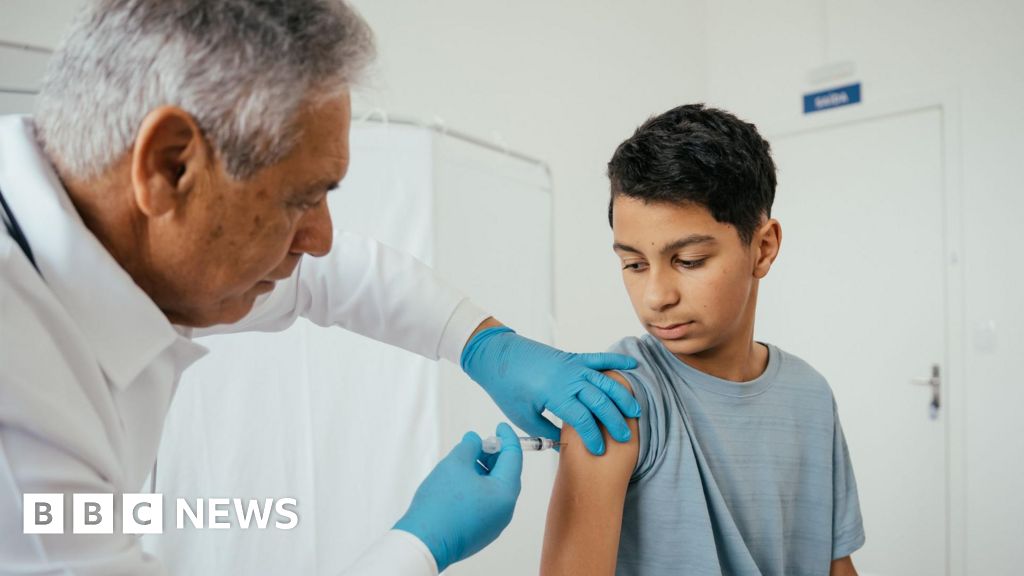
Meningitis B is a serious and potentially life-threatening infection, yet a significant number of young adults across the UK remain unprotected against it. While awareness of meningitis is generally high, understanding the specifics of the Meningitis B strain and the current state of the Meningitis Vaccine Uk programme is crucial, particularly for those in their late teens and early twenties. This article delves into why so many young people are vulnerable, the risks they face, and what steps can be taken to enhance their protection.
The Silent Threat: Understanding Meningitis B in Young Adults
Meningitis is an inflammation of the protective membranes surrounding the brain and spinal cord, typically caused by bacterial or viral infections. Among the various bacterial culprits, Neisseria meningitidis type B, commonly known as MenB or Meningitis B, stands out as one of the most prevalent and severe forms in the UK. This particular strain can cause rapid deterioration and, if not treated quickly, can lead to devastating consequences including brain damage, limb loss, and even death.
What is Meningitis B?
The bacteria responsible for Meningitis B, meningococcus, can reside harmlessly in the throats of many individuals. However, should it invade the bloodstream or spinal fluid, it can trigger a severe illness. According to Meningitis Now, MenB is a leading cause of bacterial meningitis in the UK, often manifesting with more aggressive symptoms and a higher likelihood of severe complications compared to other strains. The bacteria also have a dynamic nature, constantly evolving. Professor Jeremy Derrick, a molecular microbiology expert, highlights that particularly virulent strains can emerge "almost out of the blue," leading to sudden clusters of cases as the bacteria adapt to evade human immunity.
Why Are Young Adults Particularly Vulnerable?
Young adults, especially those transitioning into university or college life, face a heightened risk of contracting Meningitis B. This demographic is more prone to carrying the meningococcal bacteria in their noses and throats; up to one in four 15 to 19-year-olds are carriers, compared to one in ten of the general UK population. Their lifestyles further amplify this risk:
- Social Mixing: University campuses and other social environments involve extensive interaction among large groups of young people from diverse backgrounds.
- Close Living Quarters: Shared accommodation, such as student halls, can be cramped, facilitating the easy transmission of bacteria.
- Shared Habits: Kissing, sharing drinks, vapes, and cigarettes are common social behaviours that directly contribute to the spread of bacteria.
Recent outbreaks underscore this vulnerability. The tragic events in Kent, where two young people died and dozens more were affected, serve as a stark reminder of how quickly and severely Meningitis B can strike, particularly within student communities. Health authorities swiftly responded by offering antibiotics and Meningitis B Vaccine in UK: Who is at Risk and Who Needs the Jab? to thousands potentially exposed, highlighting the urgency of the situation. You can learn more about this specific incident in our detailed article, Kent Meningitis B Outbreak: Understanding the UK's Worst in a Decade.
The Vaccine Gap: Why Many Are Unprotected
While the UK has a comprehensive vaccination programme, there's a significant cohort of young adults who fall through the gaps when it comes to Meningitis B protection. This largely stems from the timing of the MenB vaccine's introduction into the routine NHS schedule.
The NHS Rollout and Its Limitations
The MenB vaccine (Bexsero) was introduced into the NHS childhood immunisation programme in 2015. This was a monumental step forward in public health, offering protection to new generations. Under this programme, babies receive their first dose at eight weeks, a second at 12 weeks, and a booster at one year. This means that children born in 2015 or later are likely to be protected.
However, the crucial limitation is that this programme primarily targets infants. As a result, the vast majority of young adults – anyone born before 2015 – were not eligible for the MenB vaccine through the routine NHS schedule. Unless their parents opted for private vaccination when they were babies or they sought it out more recently, these individuals lack protection. This creates a significant "vaccine gap" where millions of young people, now at an age of increased risk, are vulnerable.
The Cost of Private Vaccination
For those not covered by the NHS programme, obtaining the MenB vaccine privately is an option. However, this comes with a cost barrier. A full course of the MenB vaccine typically requires two doses, with each dose costing between £100-£150 at private clinics. For many young adults, or their families, this cost can be prohibitive, especially given the rising cost of living. This financial barrier effectively excludes a large segment of the population from protection, despite their elevated risk.
Recognising the Symptoms and Taking Action
Given the vaccine gap, awareness of Meningitis B symptoms is paramount for young adults and their families. Early recognition and swift medical attention can be life-saving.
Key Symptoms to Watch For
Meningitis symptoms can be subtle at first and often mimic less serious illnesses like the flu. However, they can progress rapidly. It's vital to be aware of the classic signs, though not everyone will experience all of them:
- Fever (often with cold hands and feet)
- Headache
- Stiff neck
- Sensitivity to light (photophobia)
- Vomiting and/or diarrhoea
- Drowsiness or unresponsiveness
- Joint or muscle pain
- Pale, blotchy skin, with a rash that doesn't fade under pressure (glass test)
In babies, additional symptoms might include an unusual cry, refusal to feed, or a bulging soft spot on the head. If you suspect meningitis, seek immediate medical help. Do not wait for a rash to appear, as it doesn't always develop, and it can be a late symptom.
Proactive Steps for Protection
For young adults and their families, taking proactive steps can significantly reduce risk:
- Get Vaccinated (If Possible): If you are a young adult born before 2015, discuss private MenB vaccination with your GP or local pharmacy. While costly, it offers the best protection.
- Be Symptom Aware: Educate yourself and those around you about the symptoms of meningitis. Know when to seek urgent medical attention.
- Practice Good Hygiene: While less effective against respiratory spread, good hand hygiene can reduce the spread of many infections. Avoid sharing drinks, vapes, and cigarettes, especially in close-contact environments.
- Know Your NHS Entitlements: While the routine MenB vaccine is for babies, certain at-risk groups (e.g., those with specific medical conditions) may be eligible for the vaccine on the NHS regardless of age. Discuss this with your GP.
Navigating the Future: Raising Awareness and Expanding Access
The current situation highlights a critical public health challenge. While the introduction of the Meningitis Vaccine Uk for infants was a vital step, the vulnerability of older adolescents and young adults demands further attention. Organisations like Meningitis Now advocate tirelessly for broader access to the MenB vaccine, particularly for this high-risk group. Increased public awareness campaigns targeting young adults and their parents, coupled with discussions about expanding NHS eligibility or subsidising private vaccination, could significantly enhance protection across the UK.
The tragic Kent outbreak serves as a stark reminder of the unpredictable and devastating nature of Meningitis B. By understanding the risks, knowing the symptoms, and advocating for greater access to vaccination, we can collectively work towards a future where fewer young lives are threatened by this preventable disease.